The flue is what makes a stove safe and easy to live with. Whether you have a chimney to line
or need a twin-wall flue fitting from scratch, we design and fit the whole system to get the
draw right, so the fire lights easily and burns clean.
Every flue system is individually designed to suit your property, taking into account the
construction of your home, the position of the stove, the layout of the rooms and the overall
height of the building. This ensures your installation is both safe and performs efficiently.
We carefully specify and install all the components required to create a complete flue system
that complies with the latest HETAS recommendations and current Building Regulations. From the
initial design through to the finished installation, every detail is considered so your new
stove operates safely, efficiently and reliably for many years to come.
The flue is often the least exciting part of a new stove, but it is one of the most important.
We use a premium European flue system, engineered for performance and finished in a durable
black powder coating for a clean, modern look that suits your stove and interior.
Below are a few of the key components you may come across. It is not an exhaustive list, and we
are always happy to explain every part of your installation in detail on the survey.
Firestop
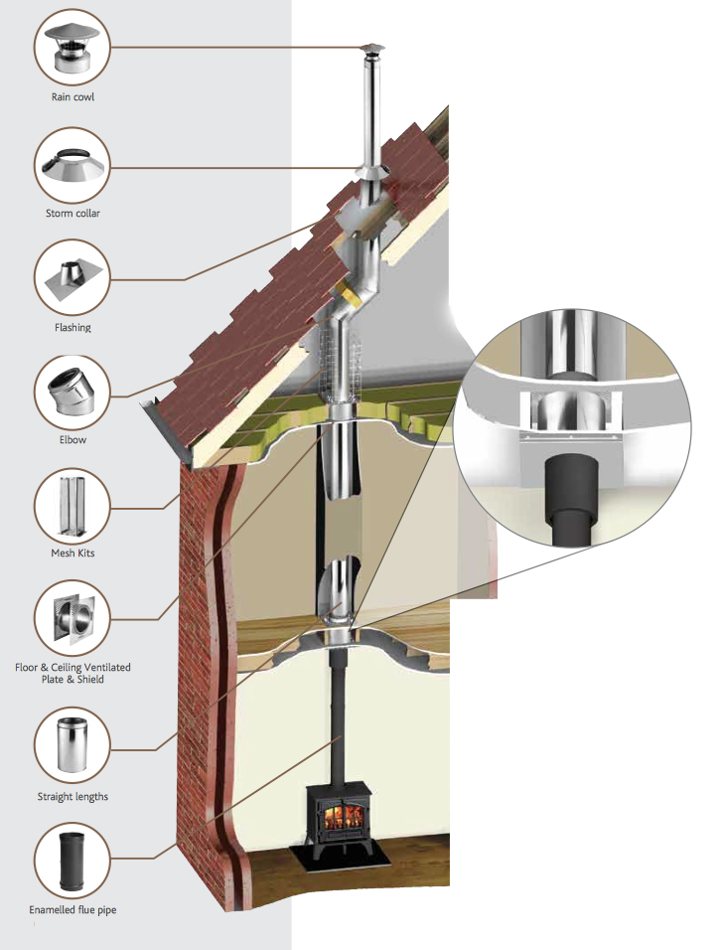
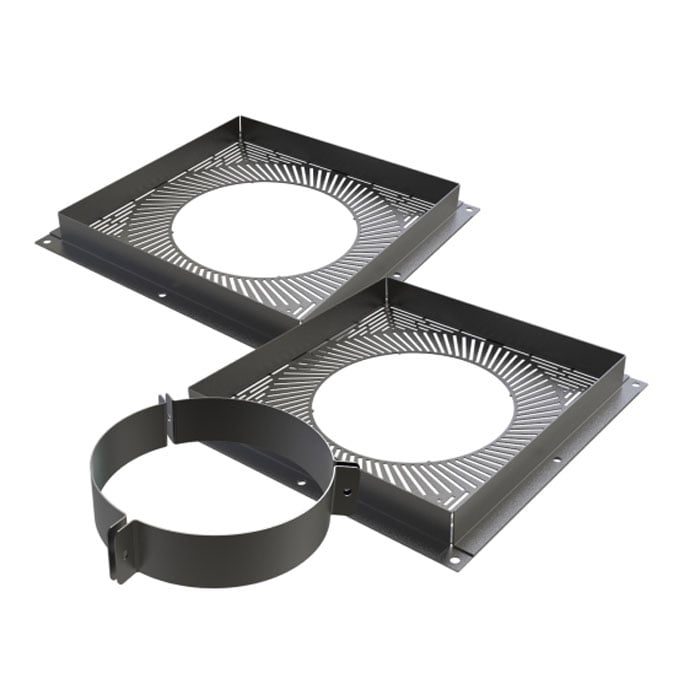
Fitted wherever the flue passes through a floor or ceiling, a firestop maintains a safe clearance from timber joists and flooring and helps stop fire and heat spreading between levels. Most include a support clamp to hold the flue in line, with a decorative ceiling plate to finish the opening neatly.
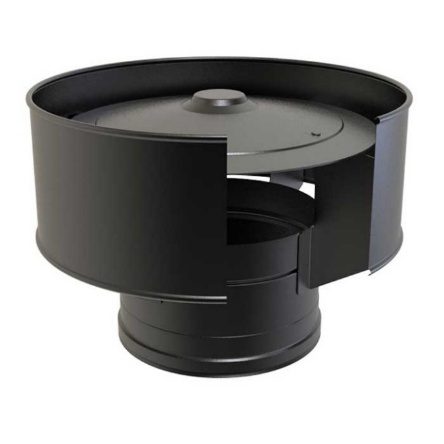
Anti-downdraught cowl
Fitted to the top of the flue, it stops wind blowing back down the system and causing downdraughts that make the fire hard to light or control. It also keeps rain, birds and debris out, so the flue stays clear and dry.
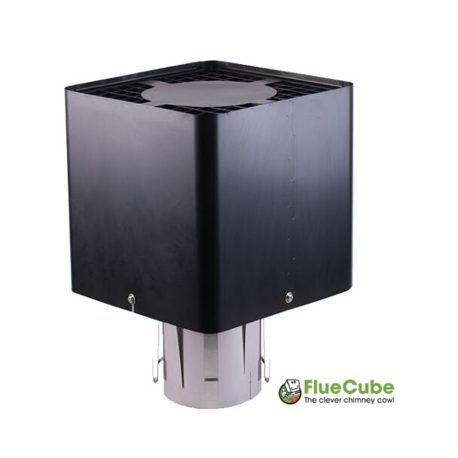
Flue cube
For flues that are shorter than recommended, or homes prone to downdraught, a flue cube stabilises the draught and keeps the stove burning reliably. Where our survey flags a height or exposure issue, we may fit one for dependable performance in all weather. Available in different colours.
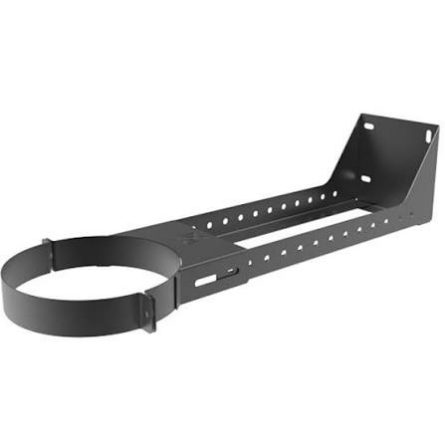
Brackets and wall supports
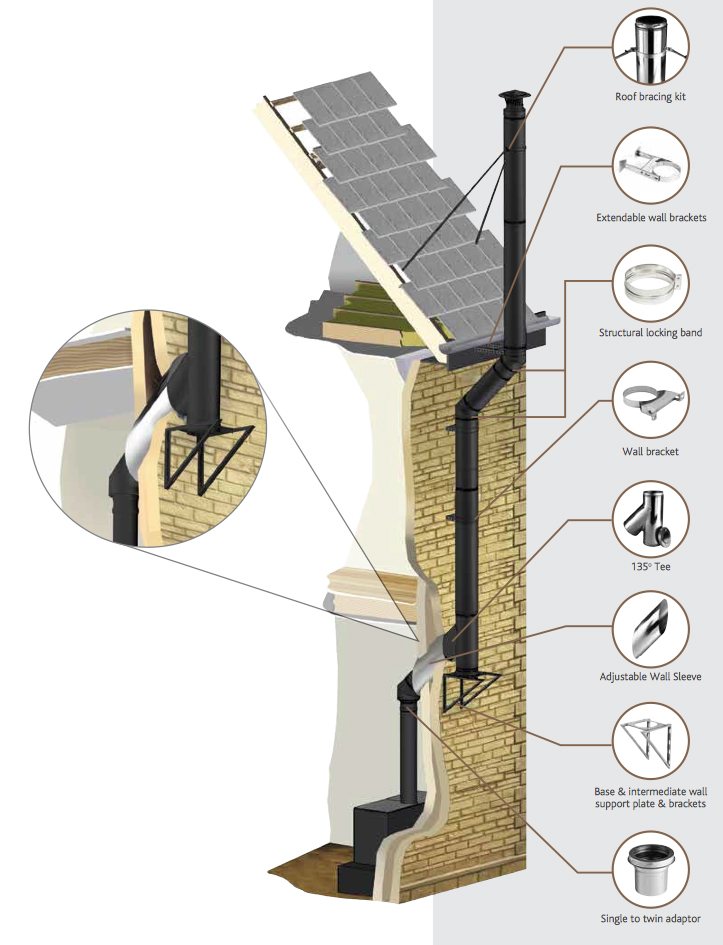
Every twin-wall flue has to be securely supported. We use purpose-made brackets, wall supports and fixings chosen for each job, and where a standard part will not do, we have bespoke supports made by a trusted local fabricator for a secure, tidy finish.
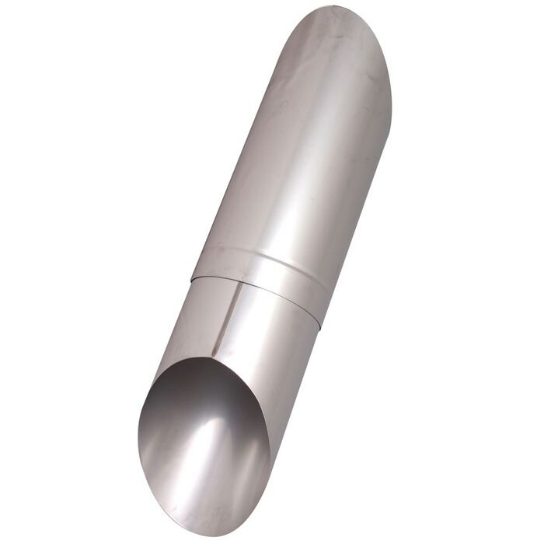
Wall sleeve
Used where a twin-wall flue passes through an external cavity wall, it keeps the correct clearance from combustible materials and gives a neat, weather-resistant finish as the flue moves from inside to out.
Existing chimneys
Flue liners for existing chimneys
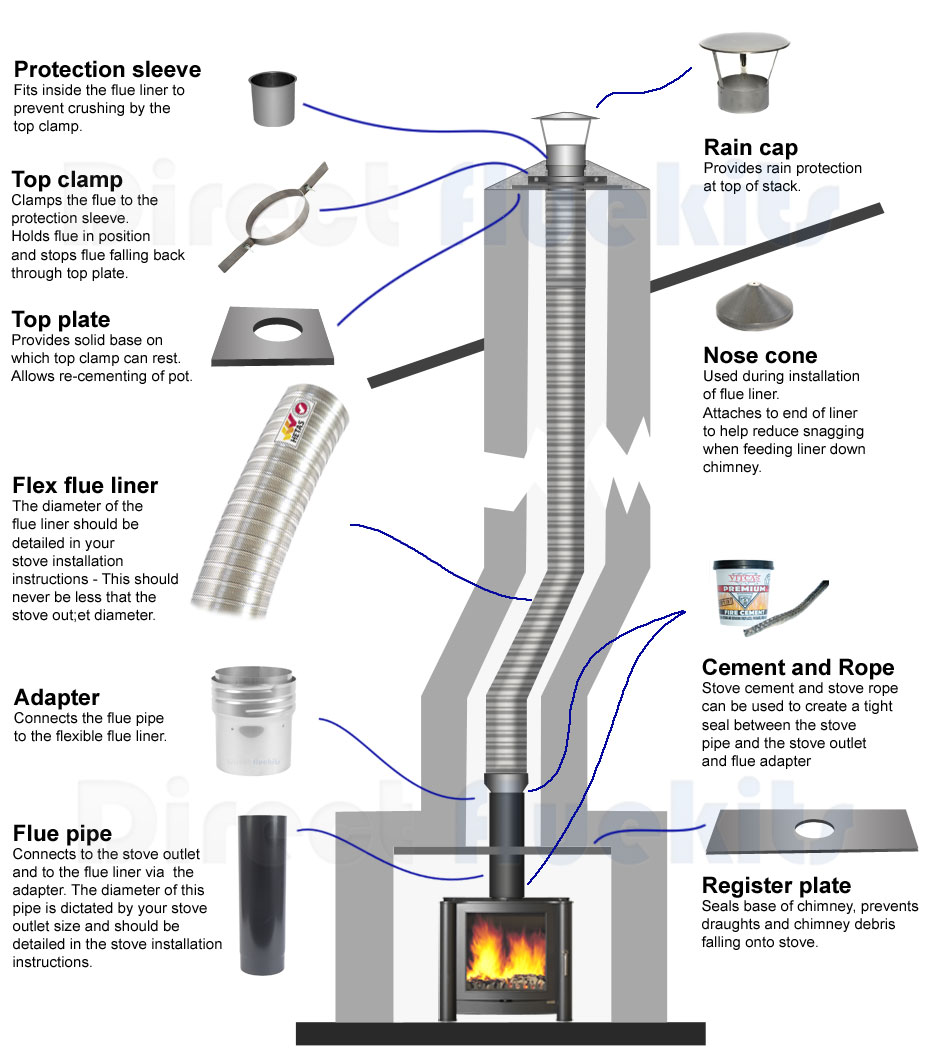
The liner connects your new stove to the chimney pot above the roofline. It is rarely the
first thing people think about, but it is one of the most important parts of the installation.
In around 90% of installs, fitting a liner is the safest and most effective solution, because
older chimneys are often oversized, damaged or unsuitable for a modern stove.
A correctly sized, high-quality liner improves the draw, reduces the build-up of soot and tar,
protects the chimney from heat and corrosion, and makes future sweeping much easier. On the
survey we inspect your chimney thoroughly and recommend the most suitable flue for your home.
316 grade stainless steel
The most common flexible liner, mainly for burning wood. Durable and corrosion resistant, it
gives a correctly sized flue, improves the draw and protects the chimney. A reliable,
cost-effective choice for most homes when properly swept and maintained.
904 grade stainless steel
A premium liner in a higher specification steel, with far greater resistance to acidic
condensates and higher temperatures. Well suited to homes that use the stove as a main heat
source or burn a mix of wood and smokeless fuels. It costs more up front but lasts longer.
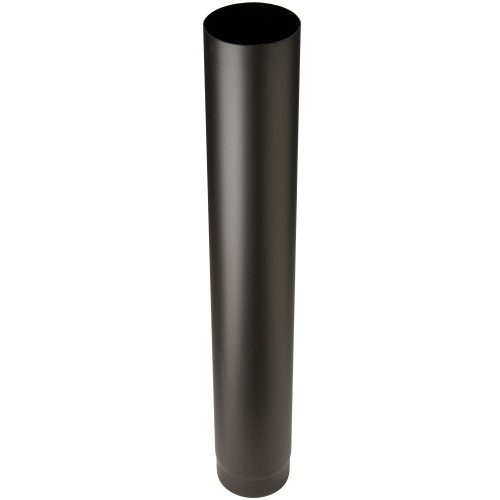
A vitreous enamelled flue pipe connects the stove to the chimney or liner, usually passing
through a steel closure plate set into the masonry and out of sight. The plate seals the chimney
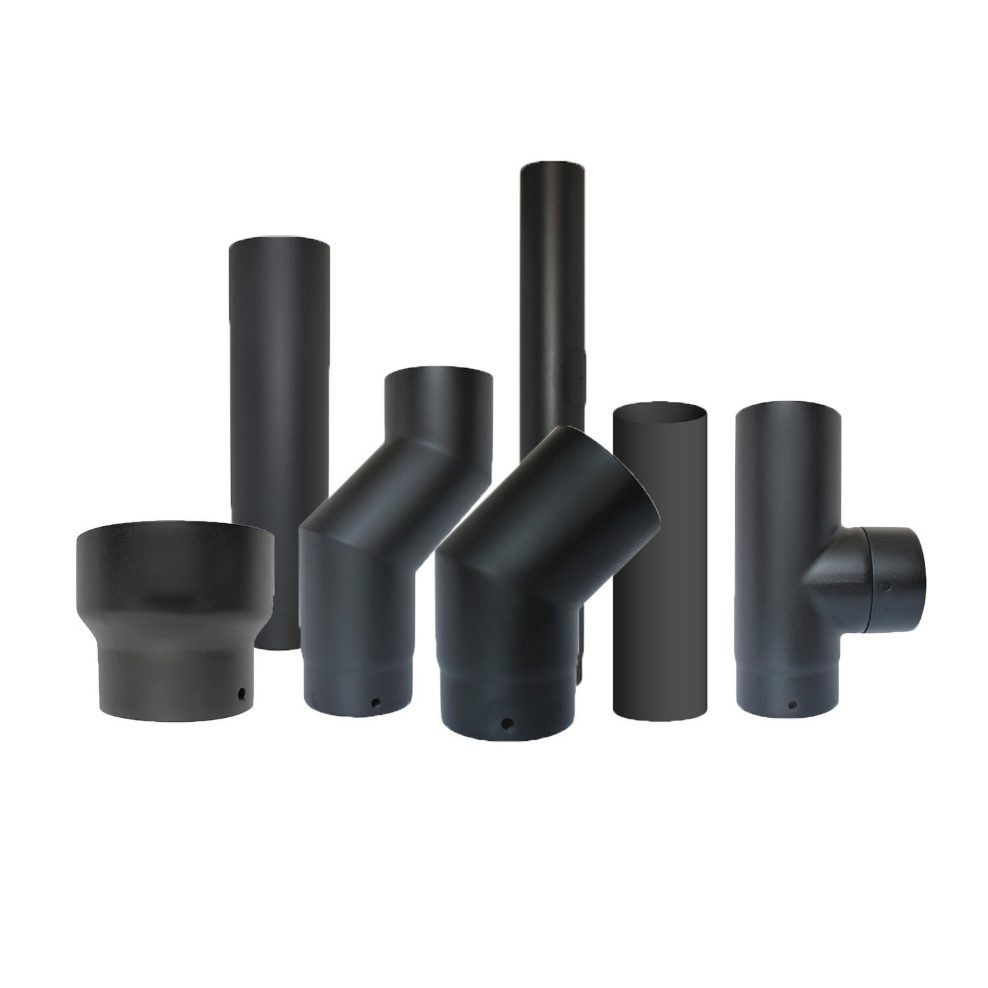
void so cold air and debris cannot enter the room. It comes in several lengths, with
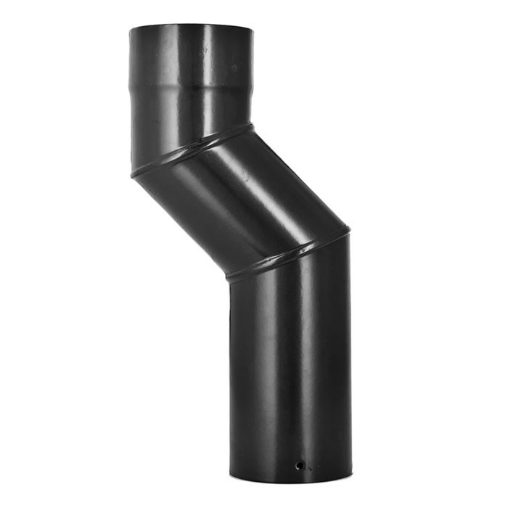
made-to-measure offsets for awkward installations.
Vitreous flue pipe, available in several lengths
Made-to-measure offset pipe for awkward installs
Bends and tees for more complicated routes
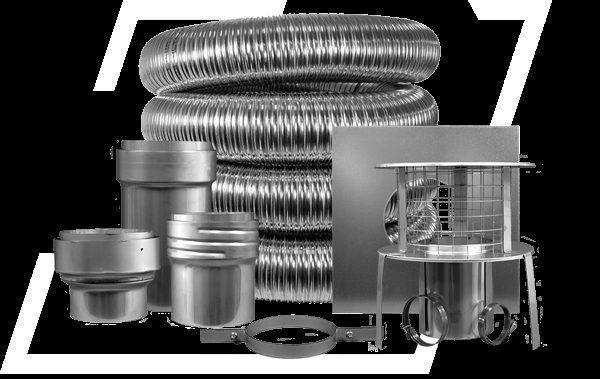
Flexible liner with connecting and securing parts
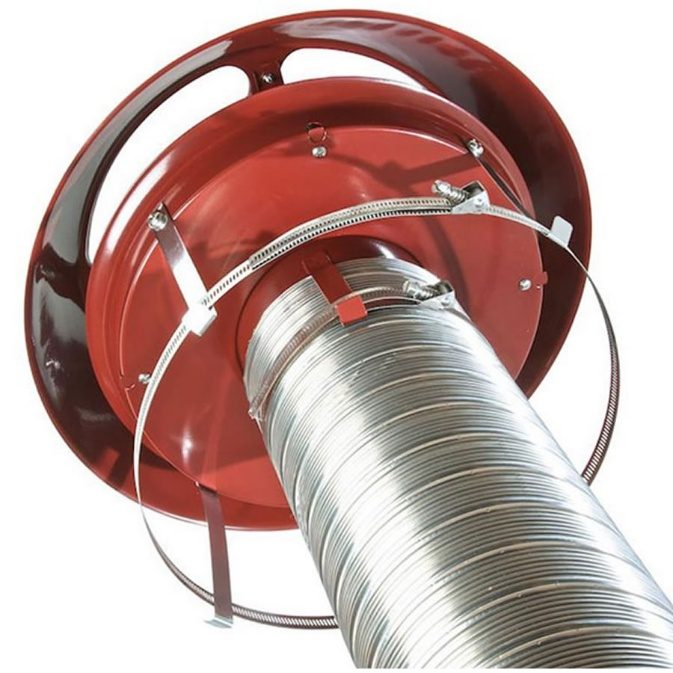
Cowl connected to a 316 stainless steel liner
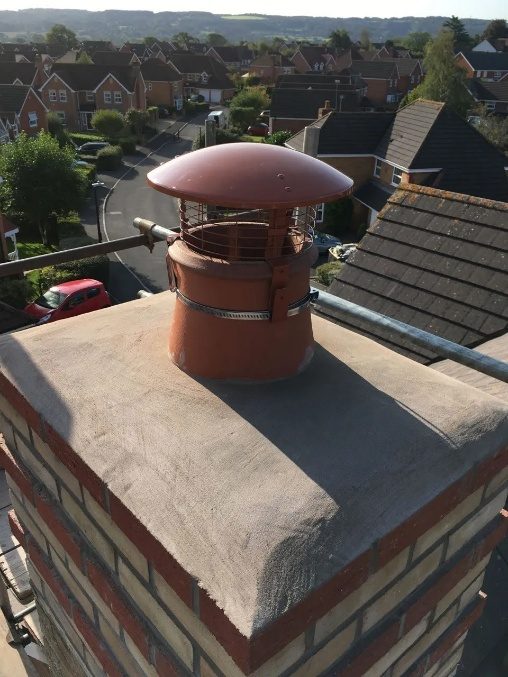
Terracotta pot with a pot-hanging cowl
Before we start
Every chimney swept first
We arrange for every chimney to be professionally swept before work begins. It reduces the risk
of soot falling into the room, clears loose debris, bird nests and tar, and lets us inspect the
flue to confirm it suits your new stove.
A clean chimney means the finished installation is safe, compliant and ready to perform at its
best from day one.
Very important
Carbon monoxide alarm
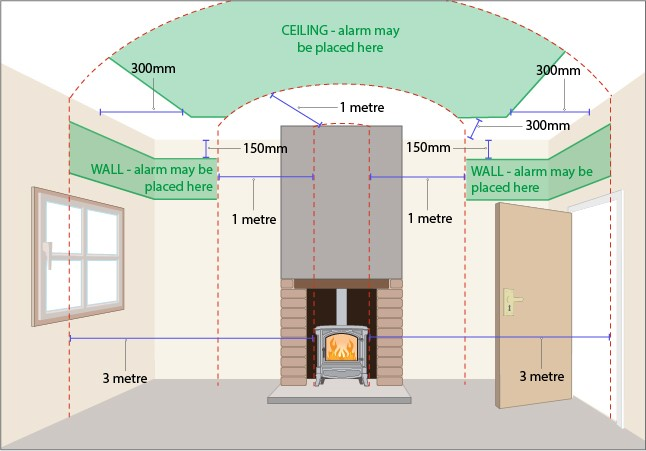
A carbon monoxide alarm is essential for any wood-burning stove, protecting against a deadly,
odourless gas. We fit one high on the wall, at least 150mm from the ceiling and between 1 and
3 metres from the stove.
PlacementNever within 300mm of a wall, or directly above doors, windows or vents, where draughts can interfere with detection.
ComplianceBuilding Regulations (Approved Document J) require a CO alarm for any fixed solid fuel appliance.
LifespanA sealed-for-life sensor and battery, typically lasting ten years, so there is nothing for you to replace.
HETAS registered
Installed with care, certified with confidence
Carl self-certifies every installation and notifies Building Control on your behalf, so the work
is signed off properly and your certificate of compliance is issued for your records.
Building Regulations do not insist on a new liner for every chimney, but in around 90% of installations it is the safest and most effective option. Older chimneys are often oversized, damaged or unsuitable for a modern stove. On the survey we inspect the chimney and recommend the right solution for your home.
What is the difference between a 316 and a 904 liner?
A 316 grade stainless liner is the common choice for burning mainly wood, durable, corrosion resistant and cost effective. A 904 grade liner is a higher specification steel with greater resistance to acidic condensates and higher temperatures, better suited to homes that use the stove as a main heat source or burn a mix of wood and smokeless fuels.
What if I have no chimney at all?
Then we fit a twin-wall insulated flue. It runs either internally up through the ceilings and roof, or up an external wall and above the roofline, sized and routed so the stove draws properly.
What is a twin-wall flue?
Twin-wall is insulated flue pipe made for homes without a masonry chimney. The insulation keeps the gases warm so they rise and draw cleanly, and it stays cool enough on the outside to pass safely through a building.
Related
Other things we fit
Wood burning stoves
The stove the flue is built for, sized to your room.