
Field note
Are wood burning stoves cheaper than central heating?
An honest look at whether a wood burning stove is cheaper to run than central heating, what actually decides the cost, and how to get the most from one in a Yorkshire home.
12 July 2026
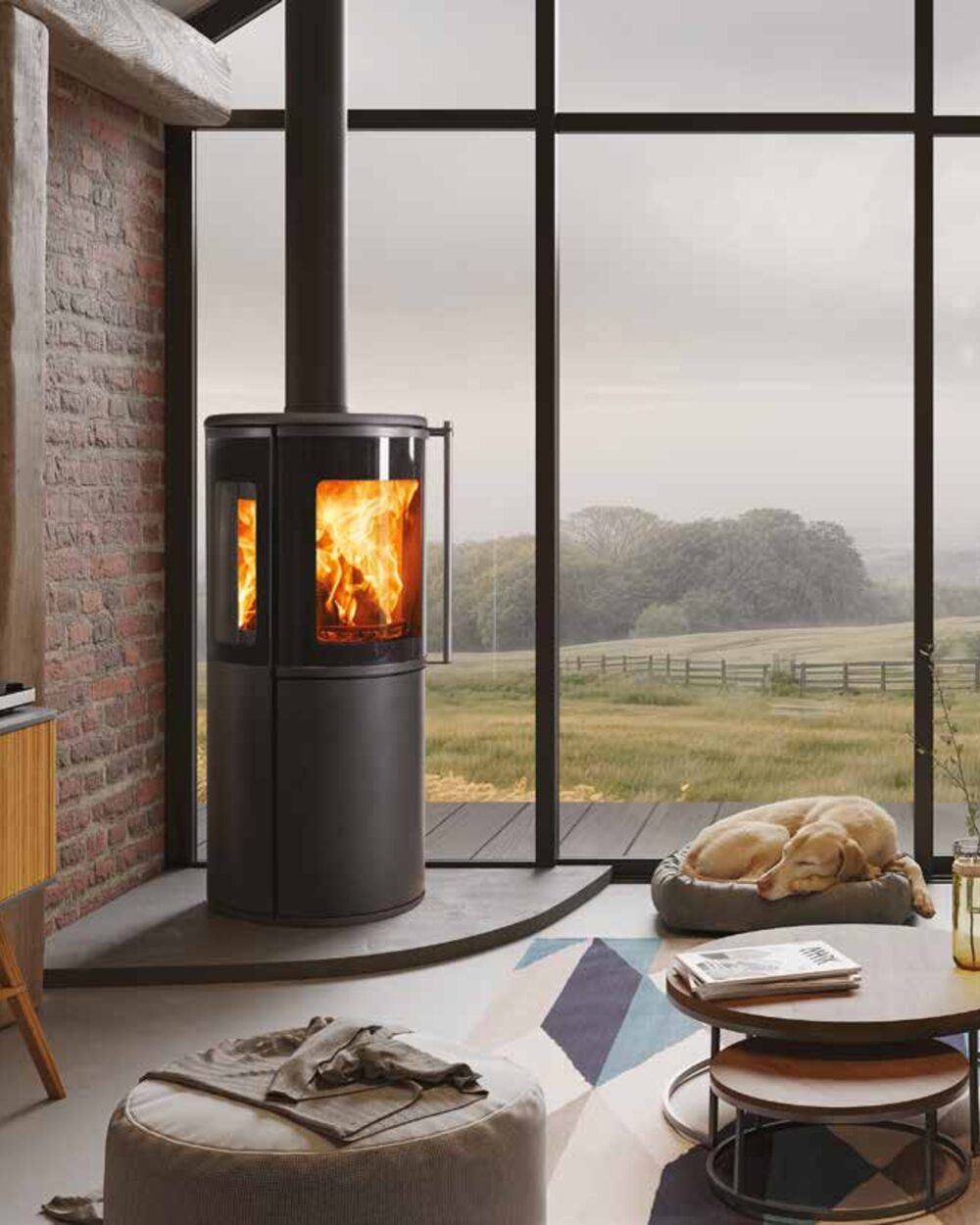
With heating costs on everyone’s mind, one question comes up again and again: are wood burning stoves cheaper than central heating? It is a fair thing to ask before spending money on an installation, and it deserves an honest answer rather than a sales pitch.
Here is the honest version. A wood burning stove is not a like-for-like swap for your central heating, and it will not turn your radiators off. But used the way most people actually use one, to warm the room you live in on the evenings you are in it, a stove can take real pressure off the boiler and cost less than heating the whole house to keep one room warm. Whether it saves you money comes down to three things: what you pay for your wood, how efficient the stove is, and how you burn it. We will walk through all three.
It is about heating the room, not the whole house
The biggest saving from a stove is not really about the fuel, it is about where the heat goes. Central heating warms the whole house through the radiators, including rooms you are not sitting in. A stove puts its heat straight into the one room you actually use in the evening, the living room or snug, without firing the boiler to warm the whole property.
So the honest comparison is not “stove versus central heating for the whole house”. It is “a stove in the room you live in versus turning the heating up across the house to keep that one room cosy”. Looked at that way, a stove very often comes out ahead, because you are heating the space you are in and letting the rest of the house sit cooler.
The three things that decide the running cost
Two identical stoves in two different homes can cost very different amounts to run. It comes down to:
- What you pay for wood. This is the big variable. If you have access to your own logs, or you buy well and store them properly, your running cost drops a lot. If you buy small bags of kiln-dried wood from a forecourt as you go, it climbs. Wood prices vary across our area, from Leeds out to the coast, so it pays to sort a good local supply.
- How efficient the stove is. A modern stove is a world away from an open fire. Open fires send most of their heat straight up the chimney. A good modern woodburner is built to hold the heat in the room, so far more of the wood you burn actually warms you.
- How you burn it. Dry wood, a stove run at the right temperature, and a fire you look after will always cost less per hour of warmth than damp wood smouldering in a stove run too low. Technique matters more than people expect.
Getting your wood right is where the saving is
Because wood is the main cost, getting it right is where the money is made or lost. The rule is simple: burn only dry wood. That means well seasoned or kiln-dried logs with a moisture content under 20 percent, which you can check with a cheap moisture meter.
Damp wood is a false economy twice over. It gives out far less heat, because energy is wasted boiling off the water instead of warming the room, and it dirties the glass and the chimney, which means more sweeping. Dry wood burns hotter, cleaner and cheaper. Much of Yorkshire also falls under smoke control rules, so a DEFRA exempt stove and dry, approved fuel keep you both efficient and on the right side of the rules. We check your exact address against the current rules on the survey.
A modern stove burns far less than you might think
The stoves we supply and fit are designed for efficiency, with clean-burn technology and good heat output for the wood they use. That efficiency is exactly what makes the running cost stack up well against heating the whole house. Getting the right size for your room matters too: an oversized stove run low is inefficient, and an undersized one never quite warms the space. Our guide on how to choose a wood burning stove covers sizing, and if you are weighing a woodburner against other options, our wood, multi-fuel or electric comparison lays out the trade-offs honestly.
So, is a wood burning stove cheaper?
The honest answer is that it can be, and for the room you actually live in it very often is, but it depends on your home and how you use it. A stove is at its best as a way to heat the space you spend your evenings in without heating the whole house to do it. It is not a reason to rip out your central heating, and anyone who promises you exact savings without knowing your home, your wood supply and how you live is guessing.
The only way to know what it means for your home is to run your own numbers: what you would pay for wood locally, against what it costs you to warm that room with the heating. What we can do is make sure the stove itself is the right size and specification so it burns as efficiently as possible, which is the part that is in our control.
Frequently asked questions
Does a wood burning stove replace central heating?
No, and it is best not to think of it that way. A stove heats the room it is in, so it works alongside your heating, letting you warm the room you live in without turning the whole house up. Most people use it to take the edge off the heating bill on cold evenings, not to switch the boiler off.
What wood is cheapest to burn?
The cheapest wood is dry wood, whatever you pay for it, because damp wood wastes most of its heat. Well seasoned or kiln-dried hardwood logs under 20 percent moisture give the most heat for your money and keep the stove and chimney cleaner. A good local supply and dry storage make the biggest difference to cost.
Is a wood burner cheaper than running the central heating?
It depends on what you pay for wood against what it costs to run your central heating, and on the fact that a stove heats one room rather than the whole house. For warming the room you actually use, a stove is often the cheaper way to stay cosy, but the exact comparison changes with fuel prices and your own home, so it is worth working out with your own figures.
How much will I actually save?
There is no honest one-size answer, because it depends on your wood cost, your stove, your room and your habits. Rather than quote a figure we cannot stand behind, we would rather size and specify the stove correctly so it runs as efficiently as possible, and let you compare against your own heating costs.
Do I need to service it to keep it efficient?
Yes. A stove and chimney that are swept and serviced burn more cleanly and safely, which keeps them efficient. It is worth booking a service before winter each year so the stove is running at its best when you need it.
Is a wood burning stove better for the environment?
A modern DEFRA exempt stove burning dry, seasoned wood is far cleaner than an old open fire or a stove burning damp wood. Burning only dry, approved fuel and keeping the stove serviced is the responsible way to run one, and it is also the most efficient.
Get the right stove for your room
Whether a wood burning stove saves you money comes down to buying the right size, burning dry wood, and using it well. We can help with the first part: a free home survey where we look at your room and chimney, talk through how you plan to use the fire, and make sure the stove we fit is the right size and specification for your space. We cover the whole Leeds-to-Scarborough corridor, including Harrogate and the towns around it. Book a survey and we will give you honest advice with no pressure.
Thinking about a stove or fireplace?
Book a free home survey and we will give you honest advice and one clear written quote, with no obligation.
Request a free home surveyMore field notes
Read next
Why does my wood burning stove glass go black?
Black stove glass usually comes down to wet wood, burning too low, or shut air controls. Here is why it happens and how to keep the glass clear.
Read the noteSeasoned vs kiln dried firewood: which should you burn?
Both can be fine if the wood is genuinely dry, under 20 percent moisture. Kiln dried is reliably ready now, seasoned is cheaper if stored well. Wet wood is the real enemy.
Read the noteChimney Fire Safety Week 2026: seven checks before winter
Chimney Fire Safety Week runs from 7 to 13 September 2026. Use these seven practical checks to prepare your stove and chimney for safer winter use.
Read the note