
Field note
Chimney Fire Safety Week 2026: seven checks before winter
Chimney Fire Safety Week runs from 7 to 13 September 2026. Use these seven practical checks to prepare your stove and chimney for safer winter use.
4 September 2026
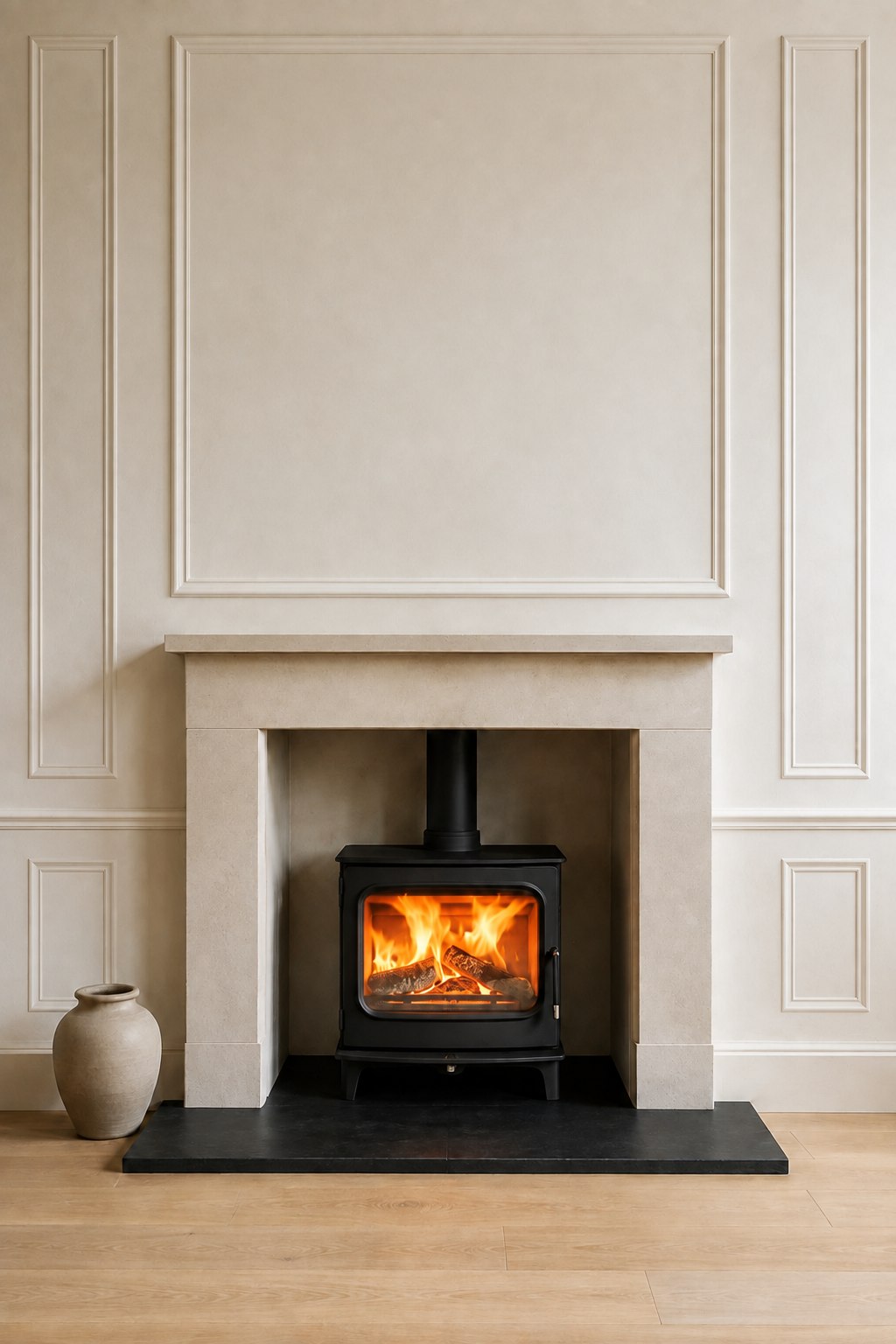
Illustrative image created for this safety guide.
Chimney Fire Safety Week 2026 runs from Monday 7 to Sunday 13 September. It is a useful reminder to have your chimney swept, your stove checked and your fuel ready before regular winter burning begins.
Chimney fires are becoming less common, but they have not gone away. The latest government figures show that fire and rescue services attended 1,665 chimney fires in England in the year ending March 2026. That was 18% fewer than the previous year, but it still works out at more than four incidents every day. HETAS also reports that 42% occurred between January and March, when stoves and open fires are working hardest.
The encouraging part is that good maintenance and better burning habits can reduce the risk. Here are seven checks worth making this September.
Seven checks for Chimney Fire Safety Week 2026
1. Book a professional sweep
Soot and tar build up inside a chimney or flue as you burn. Left in place, those deposits can restrict the draw and provide fuel for a chimney fire.
HETAS recommends having a chimney swept at least once a year, with more frequent sweeping sometimes needed depending on the appliance, fuel and amount of use. Advice for regular wood burning often calls for two sweeps, one before the heating season and another after the busiest part of winter. Follow the guidance for your stove and talk to a competent sweep if you are unsure.
Our guide to how often a wood burning stove should be swept explains the usual intervals in more detail.
2. Have the stove serviced too
A clean chimney is only part of the job. An annual stove service checks the door rope, glass seals, baffle, firebricks, grate and air controls. It should also identify damage, blockages or a weakening draw before they turn into a cold-weather problem.
Our stove servicing and chimney sweeping visit brings those checks together and leaves you with a written record of the work.
3. Burn dry, suitable fuel
Wet wood gives less heat and produces more smoke and tar. Use logs with a moisture content of 20% or less. When buying wood in smaller quantities, look for the Ready to Burn mark. If you season your own logs, split one and test the freshly exposed face with a moisture meter.
Never burn painted, treated or glued timber, MDF, chipboard or household rubbish. Use only the fuels approved for your appliance.
4. Do not shut the stove down too far
A stove needs enough air to burn properly. Leaving a fire to smoulder for long periods can produce more smoke and unburnt deposits in the flue. Follow the manufacturer’s instructions, bring the fire up to temperature and avoid overloading it.
If the glass blackens quickly, the fire is difficult to light or smoke enters the room, stop and get advice. Those signs can point to wet fuel, poor burning or a flue that needs attention.
5. Check your alarms
Test the smoke alarms around your home and check the carbon monoxide alarm in the room with the stove. Replace batteries or the alarm itself when required by the manufacturer’s instructions. An alarm is an essential warning device, but it does not replace proper installation, sweeping or servicing.
6. Keep the area around the fire clear
Keep logs, baskets, clothing and other combustible items a safe distance from the appliance. Use a suitable fireguard with an open fire, particularly where children or pets are present. Make sure the fire is out before bed or before leaving the property, and allow ashes to cool fully before placing them in a lidded metal container away from the house.
7. Know what to do if a fire starts
A chimney fire may produce a loud roaring noise, unusual heat, smoke or sparks from the chimney. Do not put yourself at risk trying to tackle it. Get everyone out, close doors behind you if it is safe to do so, stay out and call 999 for the fire and rescue service.
After any chimney fire, do not use the appliance again until the chimney, flue and stove have been professionally inspected and declared safe.
Get ready before the first cold night
Chimney Fire Safety Week arrives at the right time. A September check gives you the chance to deal with worn parts, a dirty flue or unsuitable fuel before the stove becomes part of the daily routine.
If your stove is due a sweep or service, or you have noticed a weaker draw, black glass or an unusual smell, get in touch. We cover York, Harrogate, Malton, Ripon, Thirsk, Scarborough and surrounding parts of Yorkshire, and we will give you a clear account of what your stove and chimney need.
Thinking about a stove or fireplace?
Book a free home survey and we will give you honest advice and one clear written quote, with no obligation.
Request a free home surveyMore field notes
Read next
Why does my wood burning stove glass go black?
Black stove glass usually comes down to wet wood, burning too low, or shut air controls. Here is why it happens and how to keep the glass clear.
Read the noteSeasoned vs kiln dried firewood: which should you burn?
Both can be fine if the wood is genuinely dry, under 20 percent moisture. Kiln dried is reliably ready now, seasoned is cheaper if stored well. Wet wood is the real enemy.
Read the noteCan you fit a wood burning stove in a small room?
Yes, small rooms take stoves well, with the right output and the right clearances. Here is how we size and fit a stove so you are warm, not roasted.
Read the note