
Field note
Seasoned vs kiln dried firewood: which should you burn?
Both can be fine if the wood is genuinely dry, under 20 percent moisture. Kiln dried is reliably ready now, seasoned is cheaper if stored well. Wet wood is the real enemy.
6 September 2026
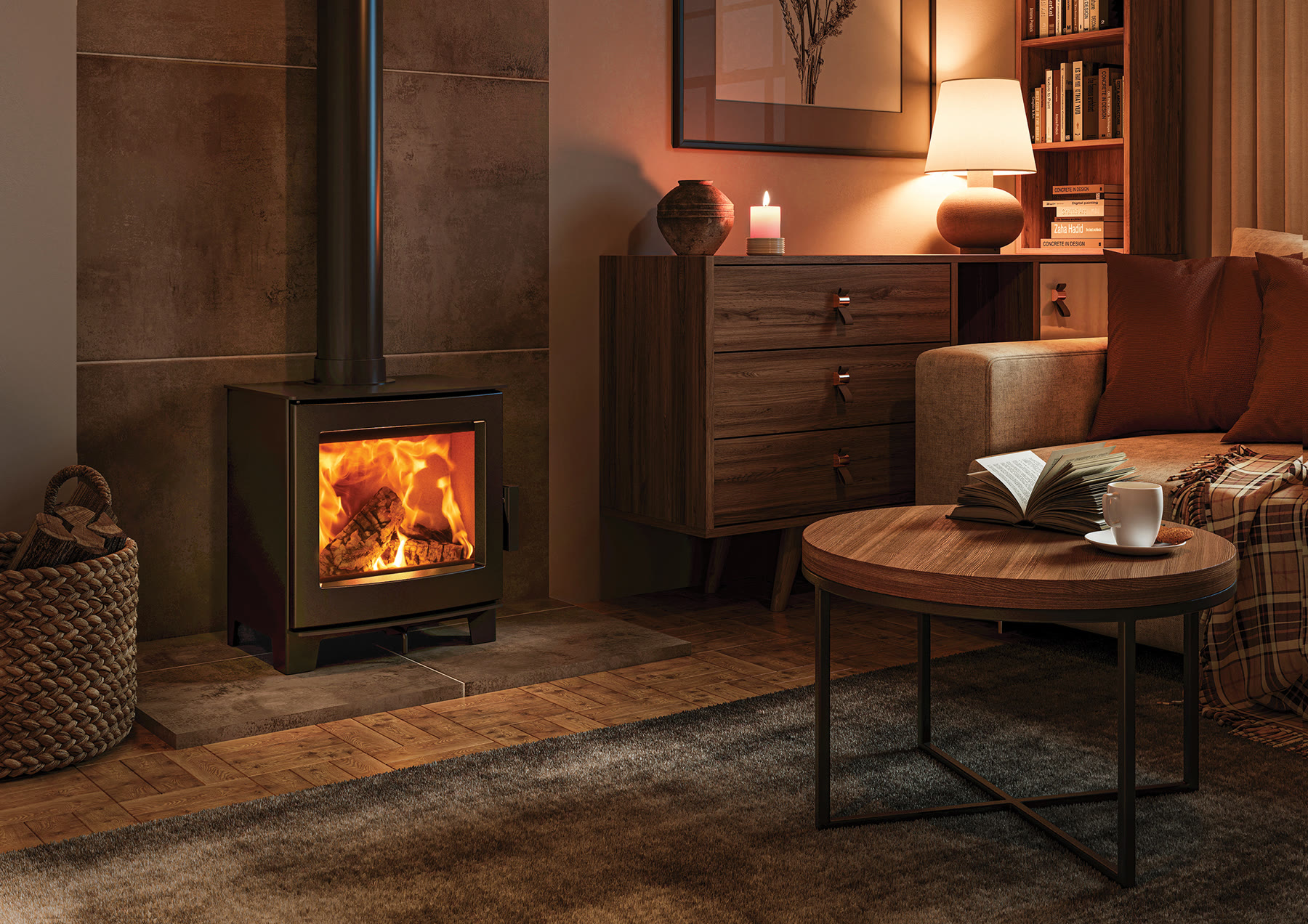
Here is the short version. On seasoned vs kiln dried firewood, both can be fine as long as the wood is genuinely dry, under 20 percent moisture. Kiln dried is reliably low-moisture and ready now. Seasoned is cheaper if it has been properly dried and stored. Wet wood is the real enemy.
So the choice is less about the label and more about the moisture. A kiln dried log and a well-seasoned log can burn just as cleanly. A wet log of either kind will smoke, hiss, blacken your glass and coat your flue. Below is how to tell the difference, and how to store wood so it stays dry once you have it.
Seasoned or kiln dried: which is better?
Neither is automatically better. What matters is the moisture content of the wood when it goes on the fire. Under 20 percent, you get good heat and a clean burn. Over that, you get problems.
Kiln dried logs are dried in a controlled kiln until the moisture is reliably low. The upside is certainty. You can burn them soon after delivery without a long wait, and the moisture is consistent from log to log. The trade-off is that you usually pay more for that convenience.
Seasoned logs are air-dried outdoors over time. Done properly, split and stacked and given a good couple of years under cover, seasoned wood reaches the same low moisture and burns beautifully. It is usually cheaper. The catch is the word properly. Wood sold as seasoned is not always as dry as it should be.
So the real question is not seasoned or kiln dried. It is dry or wet.
How do I know the wood is dry enough?
Buy a moisture meter and check. It is a small, cheap tool, and it settles the argument in seconds. Split a log, press the pins into the fresh inner face, and read the number. Under 20 percent is what you are after.
A few signs help before you even reach for the meter. Dry logs are lighter than they look, the bark comes away easily, and knocking two together gives a sharp crack rather than a dull thud. Fresh cut ends often show fine splits or cracks. None of these are as reliable as a meter reading, but they are a decent first check.
If you are burning on a good wood burning stove and the glass is going black quickly, or the fire is sluggish and smoky, the wood is very often the reason. Dry wood lights fast, burns bright and keeps the glass clear.
What is the problem with wet wood?
Wet wood is where most stove troubles start. When you burn wood over 20 percent moisture, a lot of the fire’s energy goes into boiling off water instead of heating your room. You get less heat and more smoke.
Worse, that smoke carries unburnt particles and tar up the flue. They cool and stick to the inside as creosote. Over a season that builds into a hard, flammable layer that blocks the flue and raises the risk of a chimney fire. Wet wood also blackens the stove glass fast and leaves the whole appliance grubby.
There is a knock-on cost too. A flue burning wet wood needs sweeping more often. That is one reason our servicing and sweeping customers who switch to dry wood tend to see a cleaner flue at the next visit. The wood you burn is the single biggest thing you control.
What about Ready to Burn logs?
Look for the Ready to Burn logo when you buy. It is a certification scheme for firewood sold in small volumes, and it tells you the wood has been dried to a moisture level suitable for burning. It takes a lot of the guesswork out of a delivery.
If you buy loose loads of seasoned wood from a local supplier, which many people around Ripon and Thirsk do, Ready to Burn may not apply in the same way. That is fine. Just check the moisture yourself with a meter and give it more drying time if it is not there yet.
Pair dry wood with a DEFRA-exempt stove and you are set up well. We recommend a DEFRA-exempt model and burning dry wood under 20 percent moisture or an approved smokeless fuel. Our guide on DEFRA-exempt stoves and smoke control areas explains why that matters, and we check your exact address against current smoke control rules on the survey.
How should I store firewood so it stays dry?
Get it off the ground, keep the rain off, and let air move through it. Those three things keep dry wood dry and help damp wood catch up.
Stack logs on a pallet or bearers rather than straight on soil, so they are not drawing up ground moisture. Cover the top to keep rain and snow off, but leave the sides open so air can circulate. A log store with a sloped roof and open front is ideal. Split logs dry faster than whole rounds, so split before you stack.
Bring a few days’ worth indoors ahead of use, somewhere warm and dry, and it will burn even better. If you are buying seasoned wood to dry yourself, buy well ahead. Wood you stack this autumn may not be ready until it has had a proper spell under cover.
Does the flue and liner care which wood I burn?
Yes, very much. Dry wood keeps the inside of your flue cleaner. Wet wood coats it with tar and shortens the life of a liner. If you have a stainless steel liner, burning wet wood is one of the quickest ways to age it.
If you are unsure whether your chimney is in good order, or whether it needs a liner at all, we can check on the survey. Our work on flues and chimney liners covers inspection, lining and the choice of liner grade. Whatever you burn, a clean, sound flue and dry wood are the pair that keep a stove safe and efficient.
FAQ
Seasoned vs kiln dried firewood: is one cleaner?
Not by name. A dry log of either type burns cleanly. A wet log of either type smokes and tars. The moisture content, under 20 percent, is what decides it.
Can I burn kiln dried logs straight away?
Usually yes. Kiln dried logs are dried to a reliably low moisture, so they are ready to burn soon after delivery without a long wait.
How long does seasoned wood take to be ready?
It depends on the species, how it is split and how it is stored, but properly seasoned hardwood often needs a couple of years split, stacked and under cover. Always check with a meter rather than trusting the calendar.
Do I really need a moisture meter?
It is the simplest way to know for sure. Split a log, press the pins into the fresh face, and aim for under 20 percent. It is a cheap tool that saves you a dirty flue and poor heat.
What if I have already been burning wet wood?
Switch to dry wood and book a sweep. If the flue has built up creosote, it needs clearing before it becomes a hazard. Our servicing and sweeping team can check and clean it.
Can I burn anything other than wood?
On a multi-fuel stove you can also burn approved smokeless solid fuel. We recommend a DEFRA-exempt stove and either dry wood under 20 percent moisture or approved smokeless fuel. We check your address against current smoke control rules on the survey.
Book your free home survey
If your glass keeps blacking up, your fire feels sluggish, or you just want to know your flue is clean and safe for winter, we can help. Carl and the team will check your stove, your flue and how you are burning, and give you an honest steer on the wood and fuel that suit your setup.
You will get one clear written quote after the free home survey, with no pressure. Book your free home survey and we will come out across the Leeds-to-Scarborough corridor, from Leeds and Ripon through to Thirsk, Malton and Scarborough.
Thinking about a stove or fireplace?
Book a free home survey and we will give you honest advice and one clear written quote, with no obligation.
Request a free home surveyMore field notes
Read next
Why does my wood burning stove glass go black?
Black stove glass usually comes down to wet wood, burning too low, or shut air controls. Here is why it happens and how to keep the glass clear.
Read the noteChimney Fire Safety Week 2026: seven checks before winter
Chimney Fire Safety Week runs from 7 to 13 September 2026. Use these seven practical checks to prepare your stove and chimney for safer winter use.
Read the noteCan you fit a wood burning stove in a small room?
Yes, small rooms take stoves well, with the right output and the right clearances. Here is how we size and fit a stove so you are warm, not roasted.
Read the note